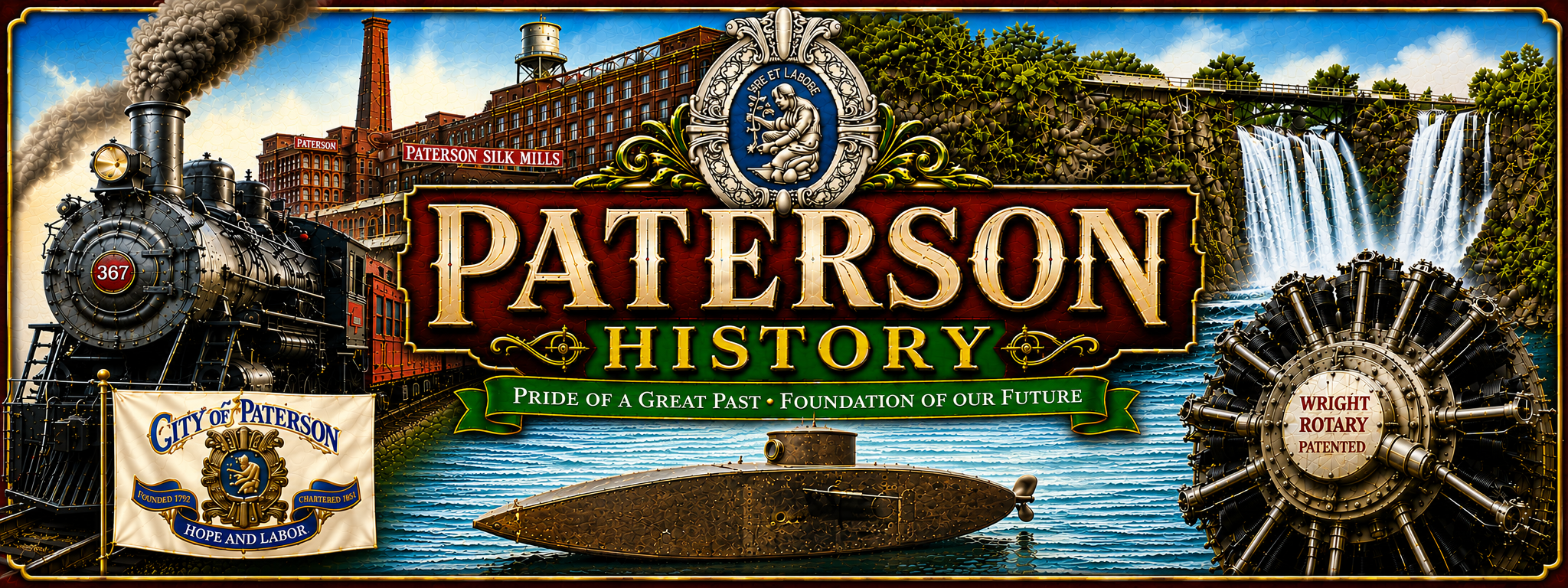
Paterson, New Jersey, is one of the most ethnically and culturally diverse cities in the United States. Since its founding in 1792, successive waves of immigrants have transformed the city into a community where dozens of languages are spoken and residents trace their ancestry to every inhabited continent.
Historical Waves of Immigration
Paterson’s ethnic composition has changed dramatically over more than two centuries.
Early 19th Century
The city’s earliest settlers were primarily:
Late 19th Century Industrial Era
As Paterson became America’s “Silk City,” immigrants arrived from throughout Europe, including:
- Italians
- Germans
- Irish
- Jews from Eastern Europe
- Poles
- Slovaks
- Hungarians
- Russians
- Syrians and Lebanese
Mid-20th Century
Following World War II, the city welcomed:
- African Americans migrating from the South
- Puerto Rican families
- Additional Italian and Eastern European immigrants
Late 20th Century to Today
Modern immigration has made Paterson internationally known for its multicultural population, including large communities from:
- Dominican Republic
- Peru
- Mexico
- Colombia
- Ecuador
- Guatemala
- Bangladesh
- Pakistan
- Turkey
- Palestine
- Jordan
- Syria
- Egypt
- Haiti
- Jamaica
- Guyana
Arab-American Community
The neighborhood features:
- Palestinian businesses
- Jordanian restaurants
- Lebanese bakeries
- Middle Eastern markets
- Mosques and cultural organizations
Bangladeshi Community
Paterson has one of New Jersey’s largest Bangladeshi populations, with numerous:
- Grocery stores
- Restaurants
- Mosques
- Clothing shops
- Community organizations
African-American Community
African Americans have played a vital role in Paterson’s civic, educational, religious, and political life for more than a century. Historic congregations such as St. Luke Baptist Church, Bethel AME Church, and First AME Zion Church have long served as spiritual and community anchors.
Turkish Community
Paterson also has a significant Turkish-American population, reflected in restaurants, businesses, and cultural organizations concentrated in parts of the city